
Matthew10 International × Grant Daniels Photography
Setting Captives Free
When you trusted me with capturing the first day of your family, you also helped start one — through Setting Captives Free, at a brick kiln in Punjab, Pakistan.
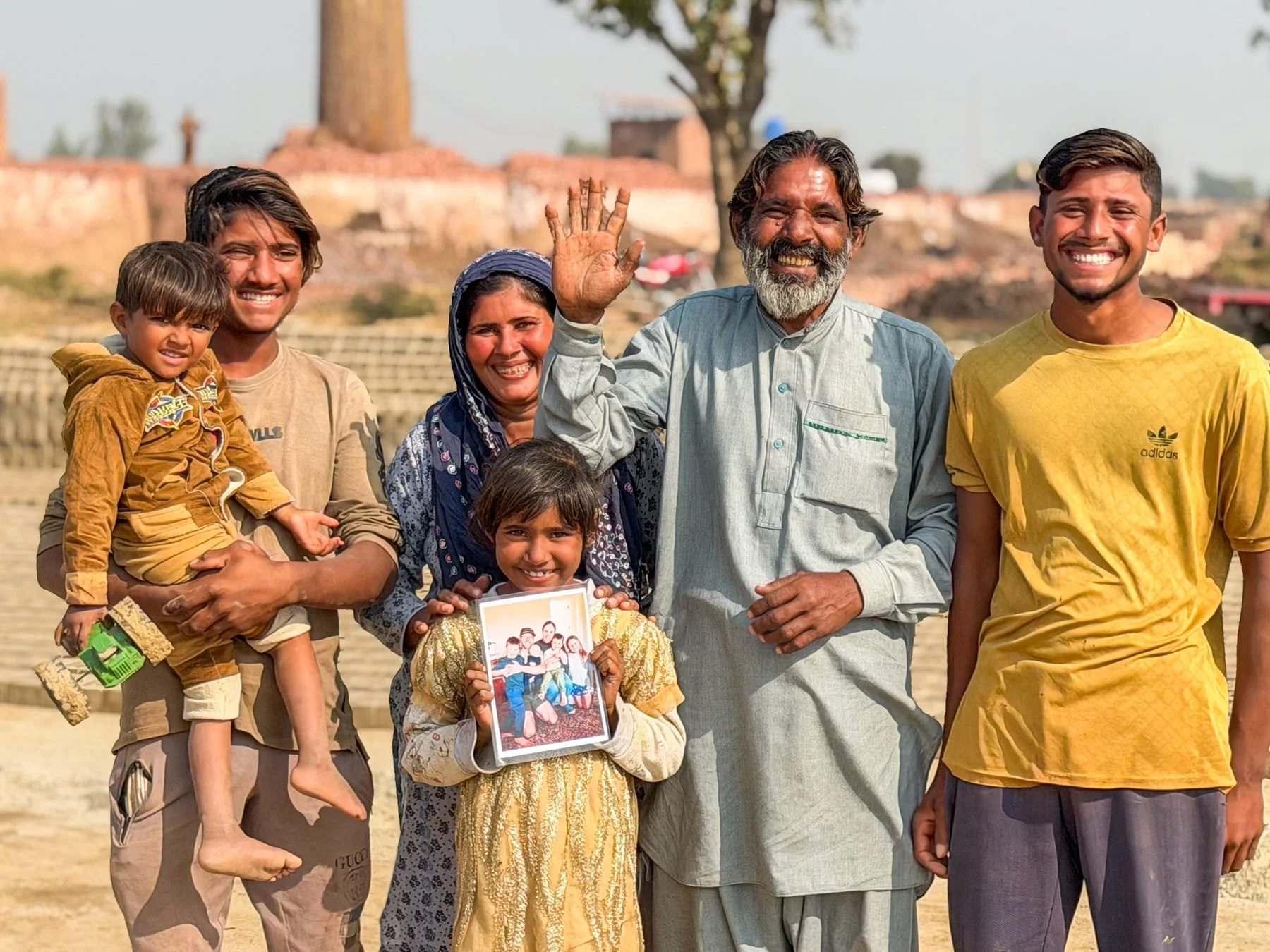
A note from Grant
When you booked me for your wedding, you were part of something bigger than yourself. You were part of setting a family free from slavery in Pakistan — families who have been making bricks in generational debt-slavery. Your wedding was the beginning of a new life. And so was theirs.
Part of the heartbeat of this work is to give away what has been given to me. Your wedding paid it forward.
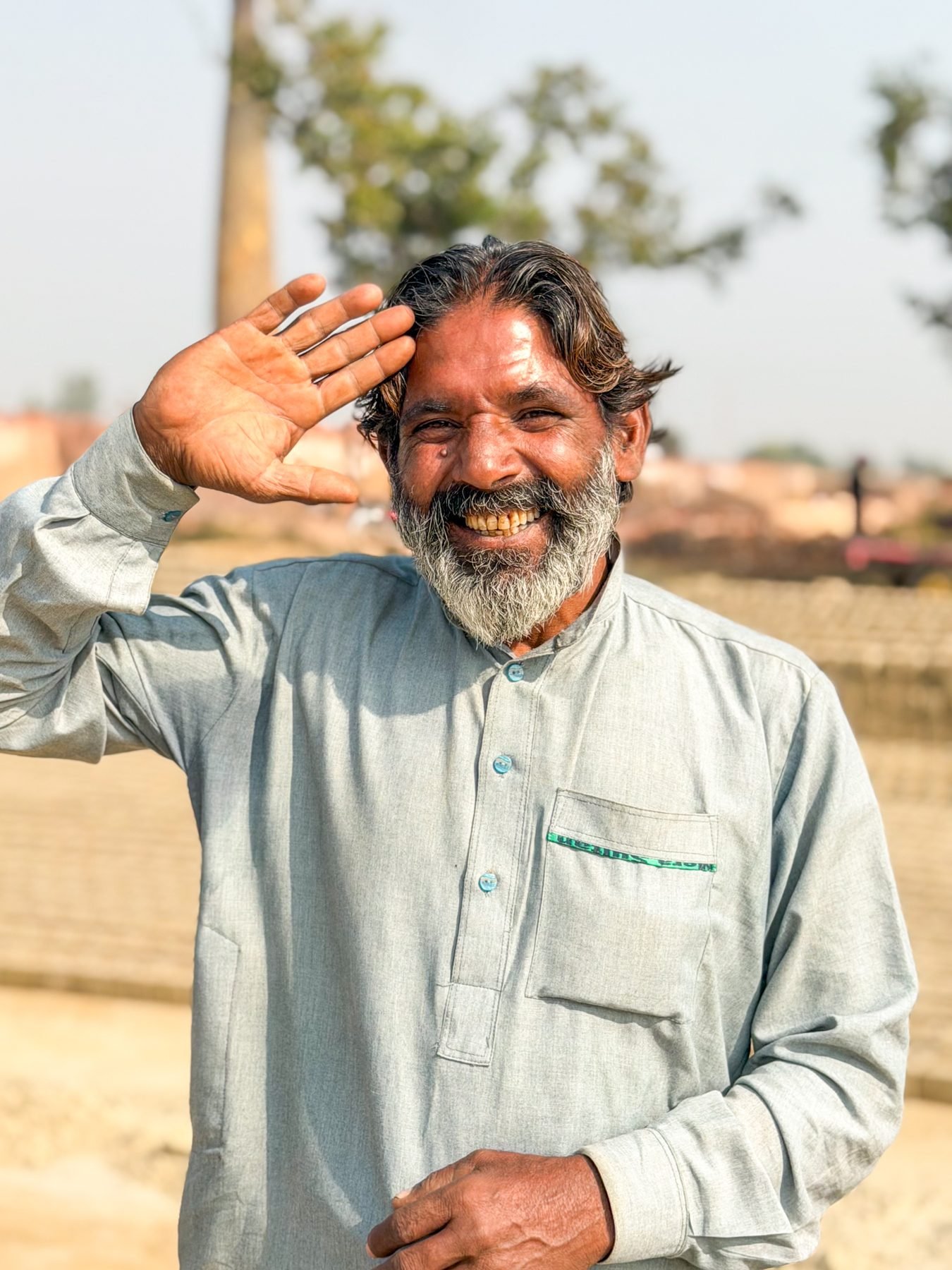
This year we rescued two families — Yousaf and Javed.
One day, two households
A wedding booked in Texas pays off a debt on a brick kiln in Punjab. These are the two ends of the same day.
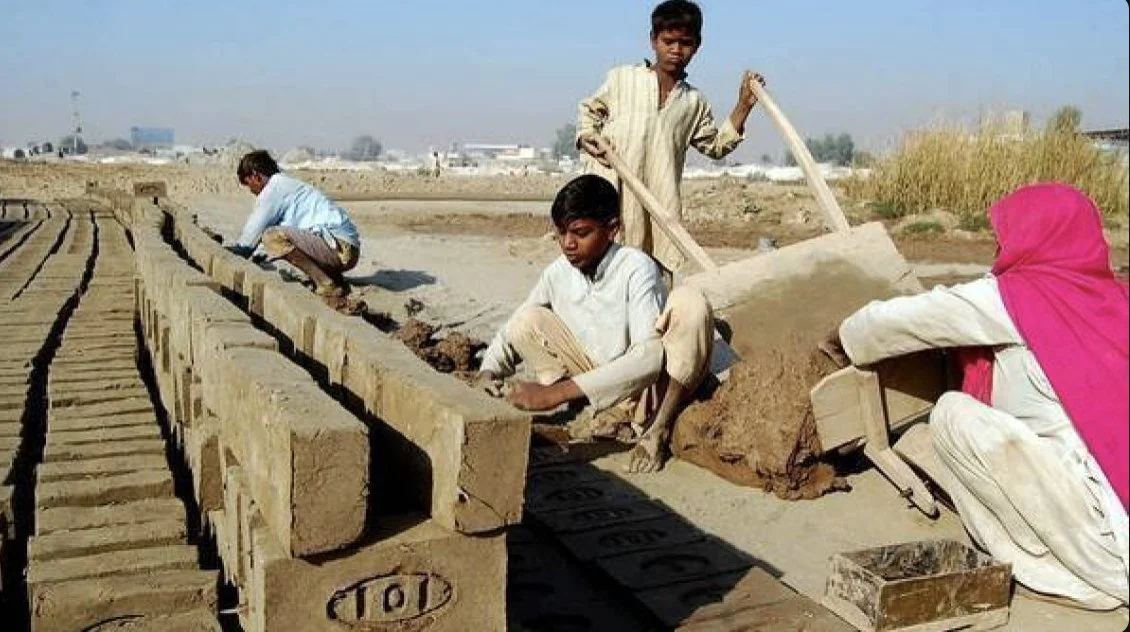
The kiln
The door into that life is almost never a contract. It is a crisis. A hospital bill. A death. A sister who needs a dowry. A wedding of their own.
The kiln owner offers an advance. In Punjabi and Urdu the word is peshgi. It sounds like help. It is a loan against future bricks — no agreement the family can read, in a ledger only the owner keeps.
Wages are set so the loan can never be retired. Half the day's pay is taken as repayment; what's left won't feed the household, so the family borrows again. Borrow 500 rupees, and they write down 1,000.
The debt is not a number that goes down. It is a number the owner controls.
And the debt does not die with the person who signed for it. A widow assumes her husband's balance. A son assumes his father's. Children as young as five work beside their parents, and families are sold between kilns with their balances — the way inventory is sold. One brickmaker in Faisalabad put it simply: he was born into debt, expects to die in it, and expects to leave it to his children.
Once you ask for a loan, you become a debtor forever.
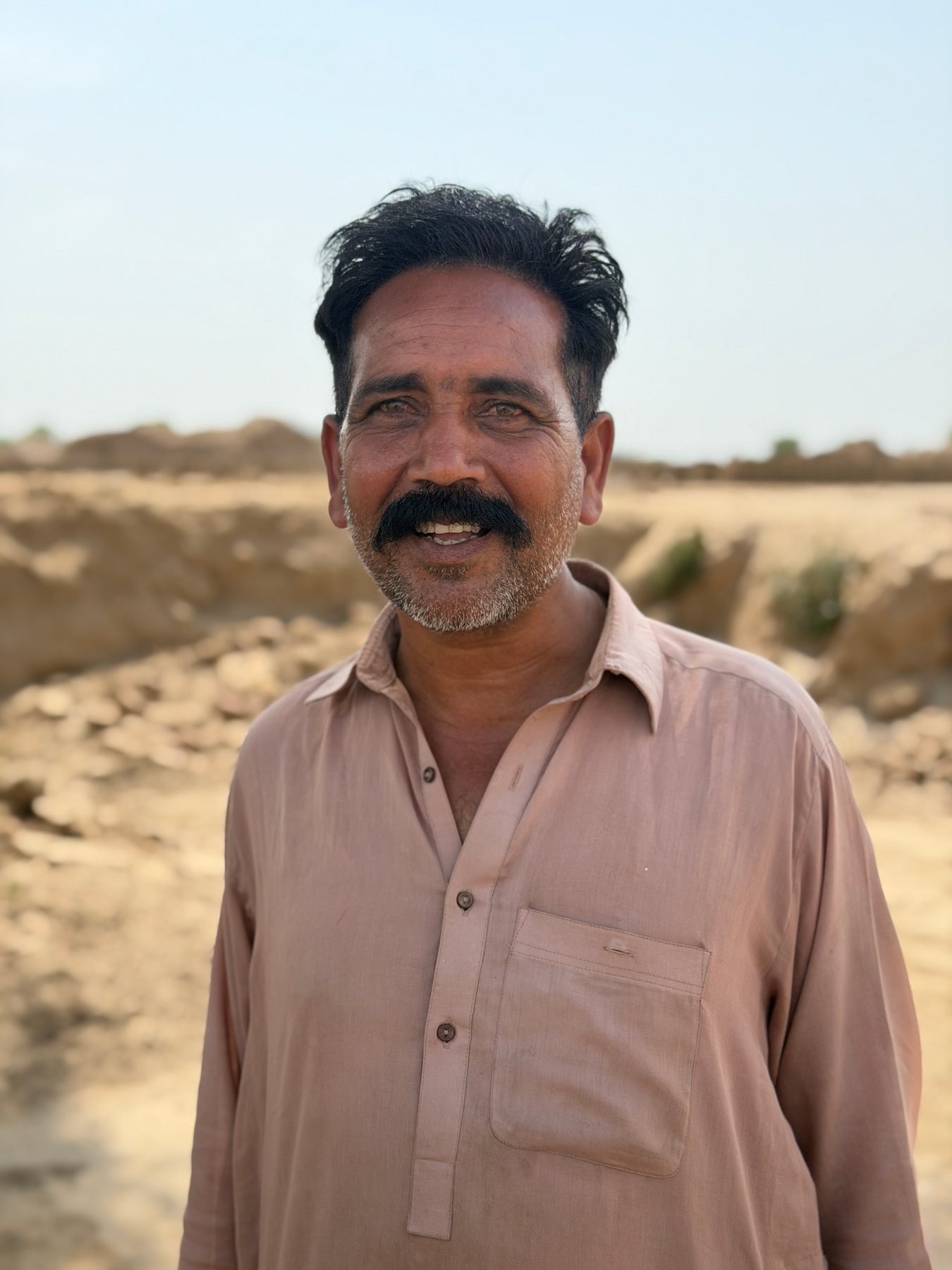
The rescue
These families could not rescue themselves. No number of bricks would ever bring the ledger to zero. Freedom had to come from outside — someone willing to pay a debt that was never theirs.
That is exactly what Setting Captives Free does. Local pastors go onto the yards first. Then lawyers sit with the owner and buy the debt in full — a clean contract, nothing left to inherit. The full cost to get a family out and keep them out is $3,750: the debt itself, new clothes, a celebration like a wedding feast, a water filter, the first month's rent off the yard — and a rickshaw.
The rickshaw is the break in the chain. On the kiln, a whole family works all day for five or six dollars. With a rickshaw, one person earns two to four times that in half the time. Children start school. The monsoon no longer means another loan. Freed families have already begun setting other families free out of their own earnings.
Freely you received, freely give.
Nothing to inherit
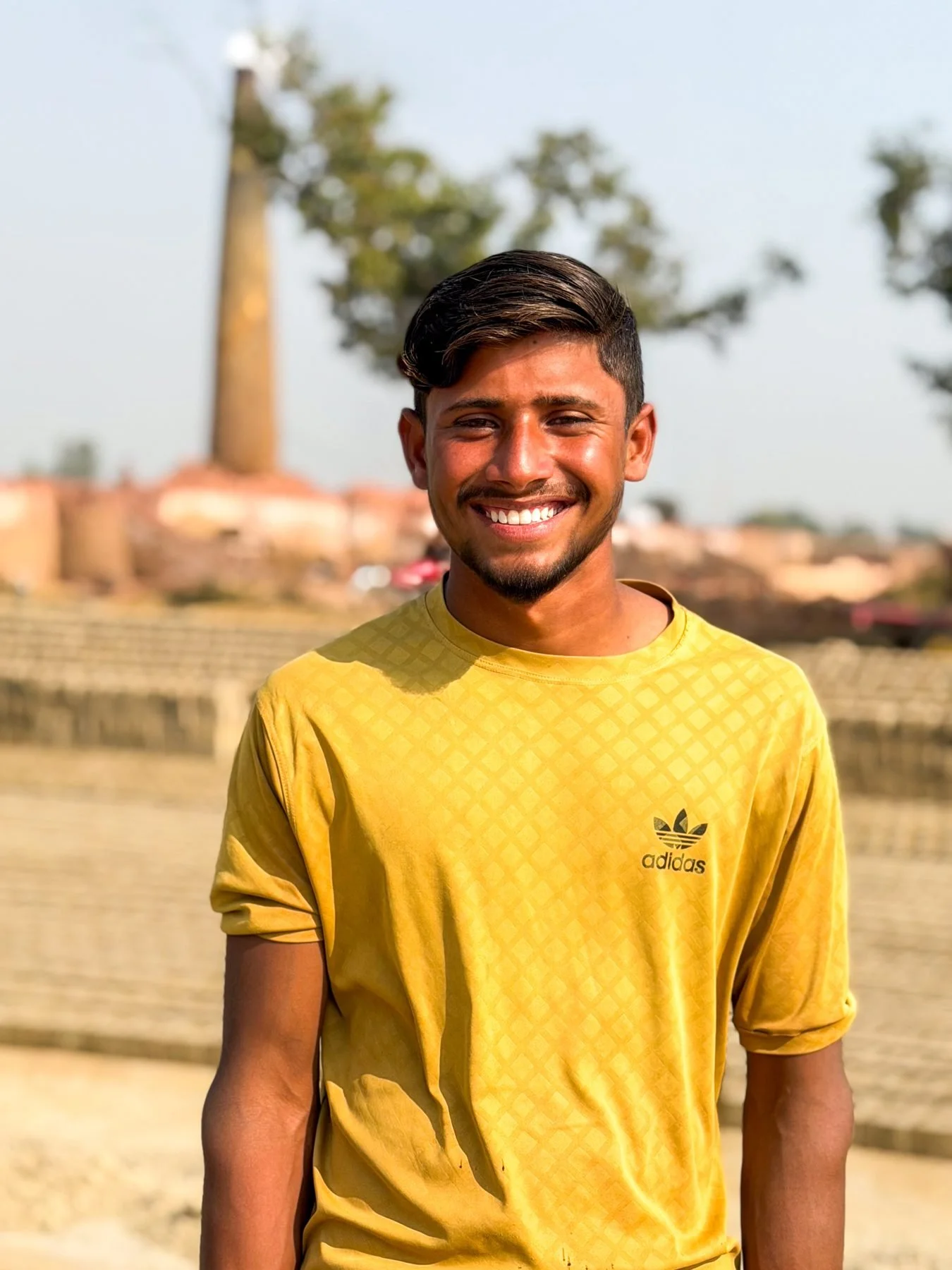
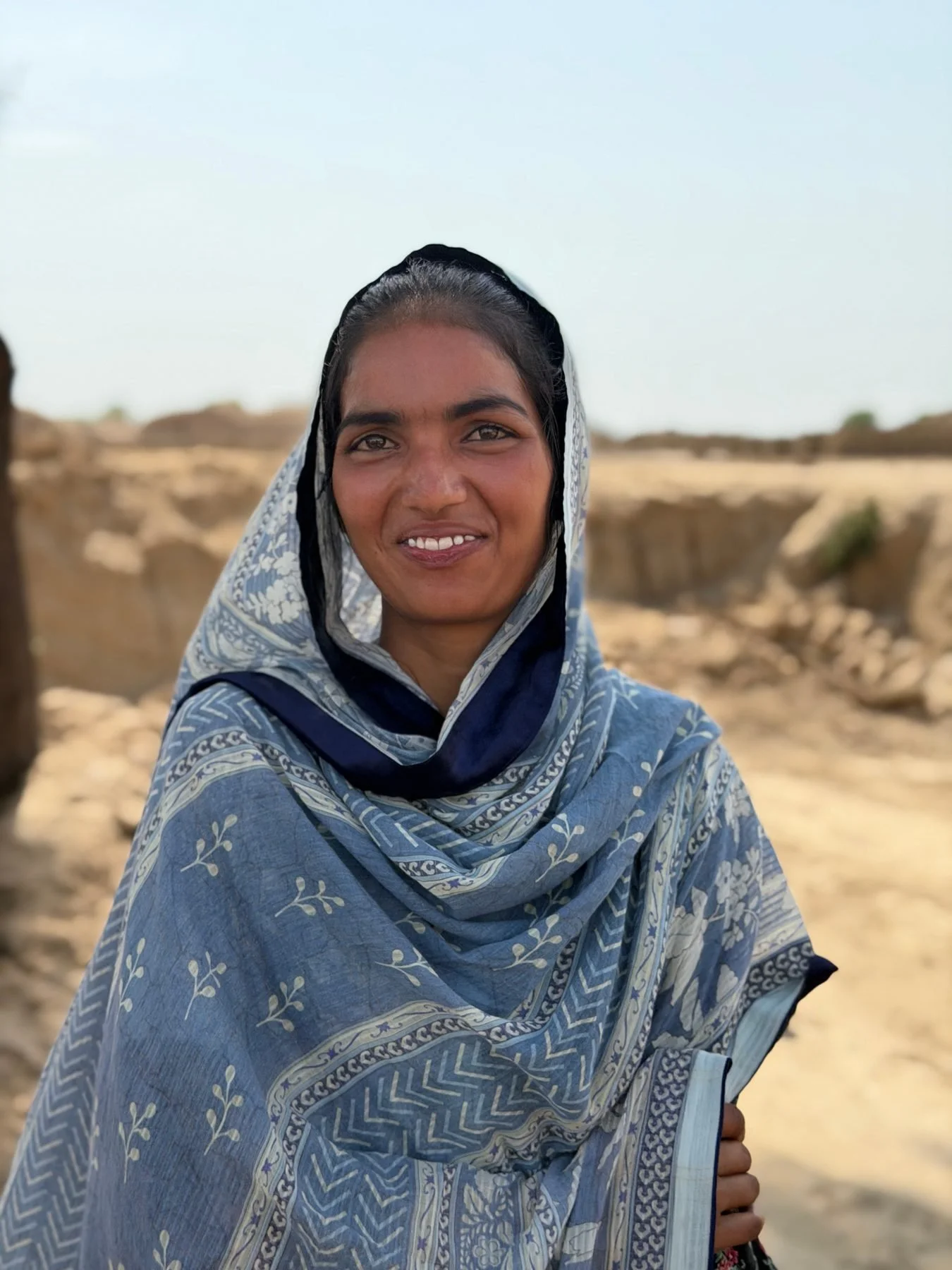
Yousaf Sohan and family
Freedom Celebration · 14 January 2026
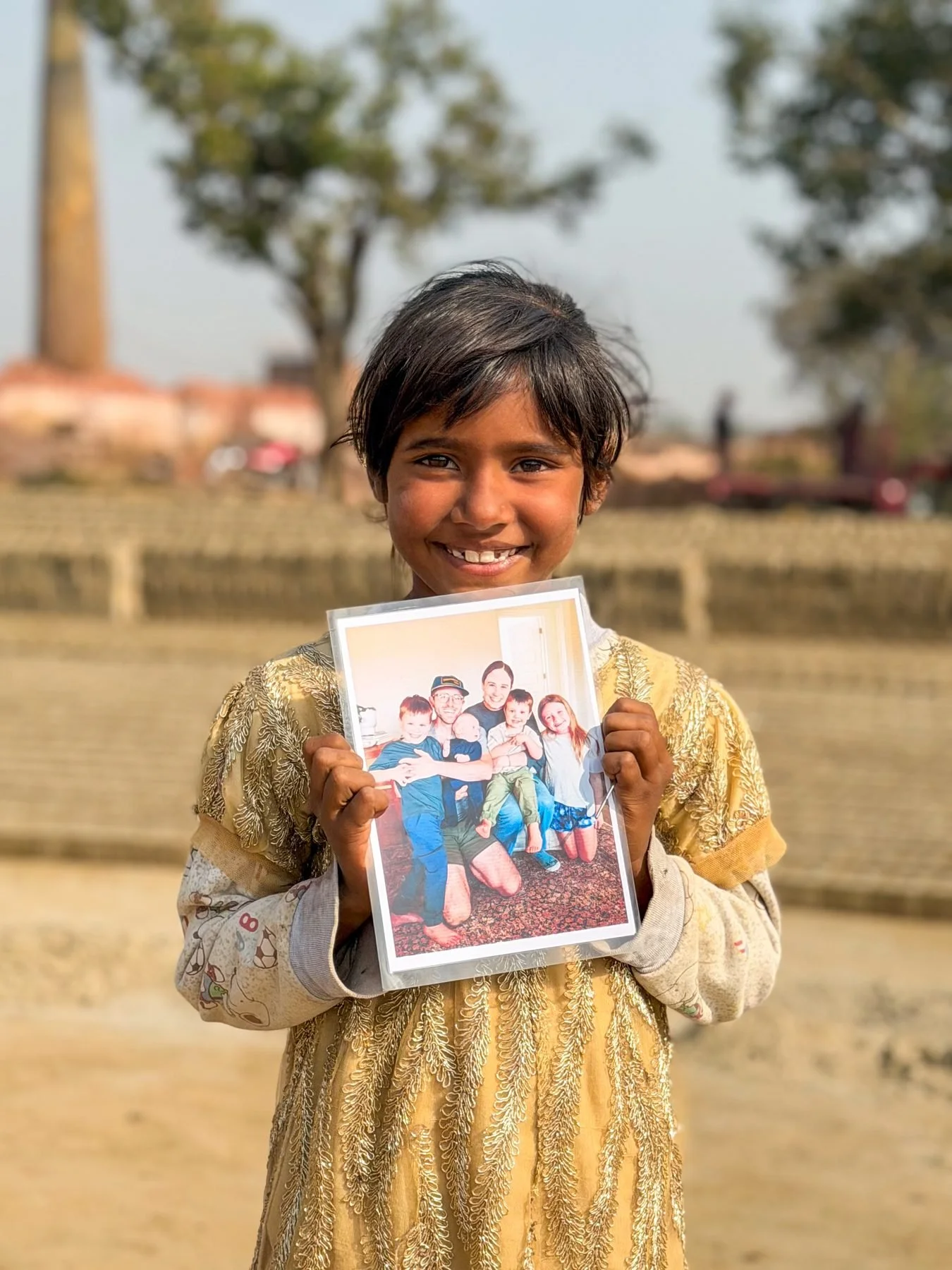
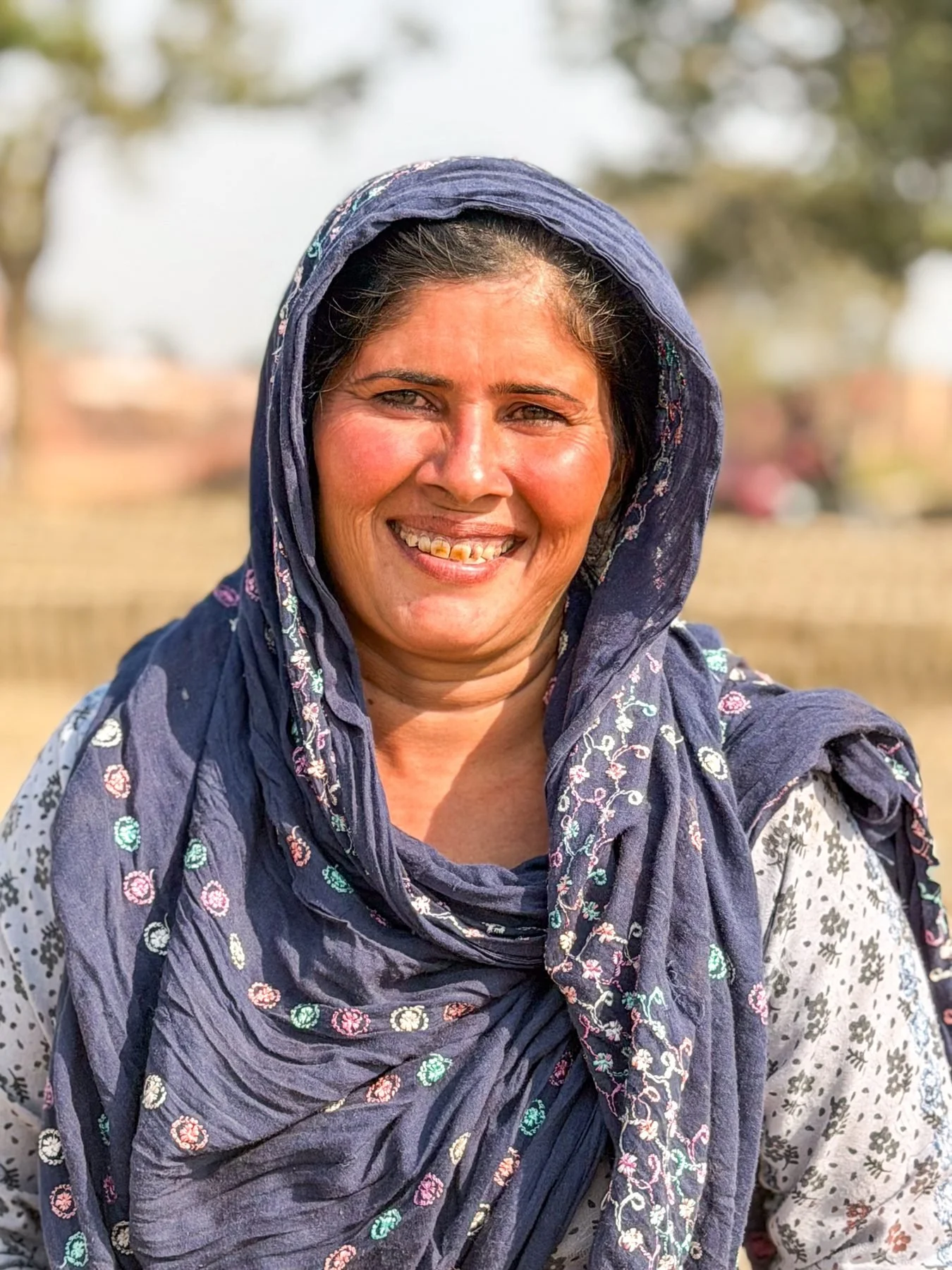
Javed Sher Masih and family
Freedom Celebration · 19 May 2026
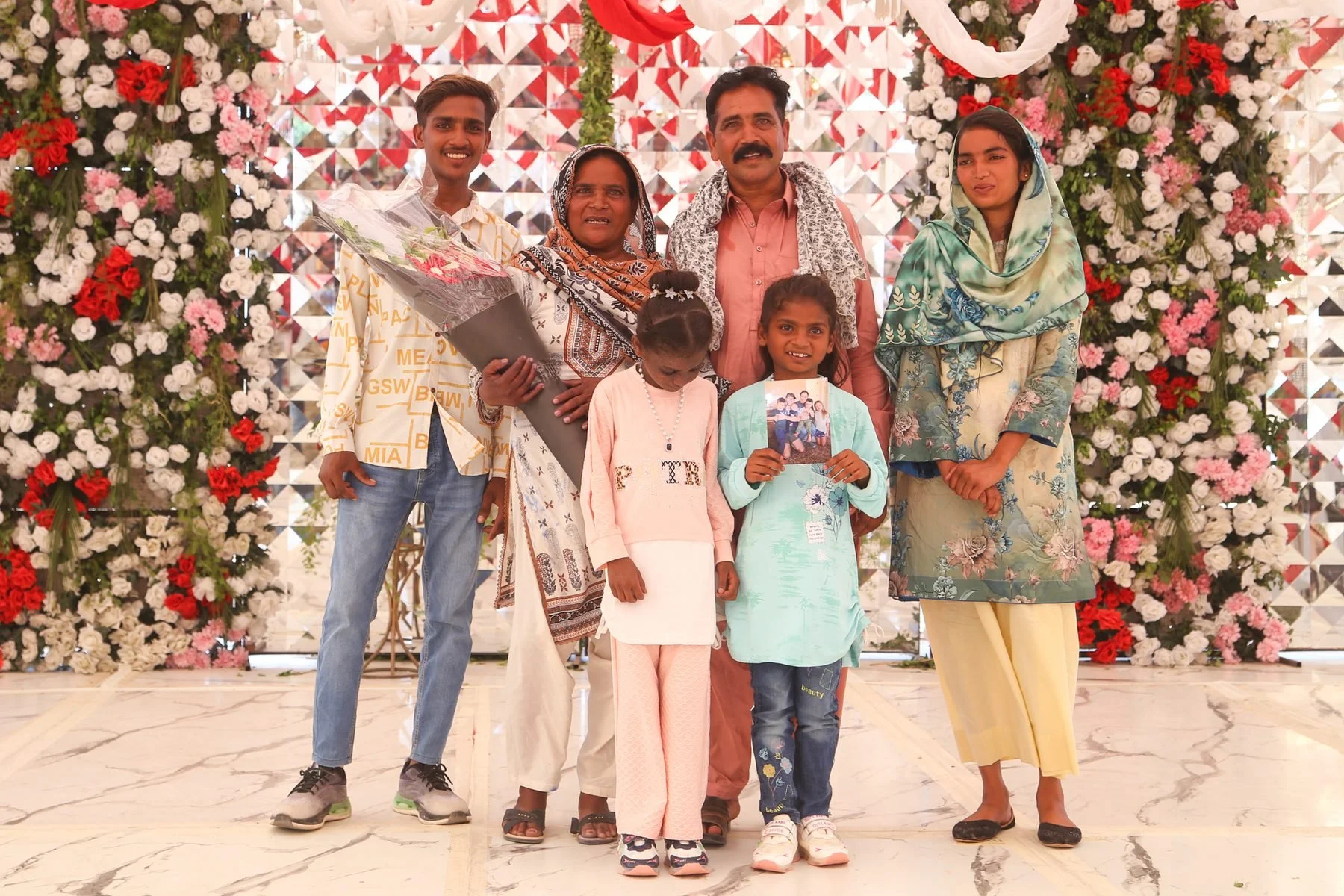
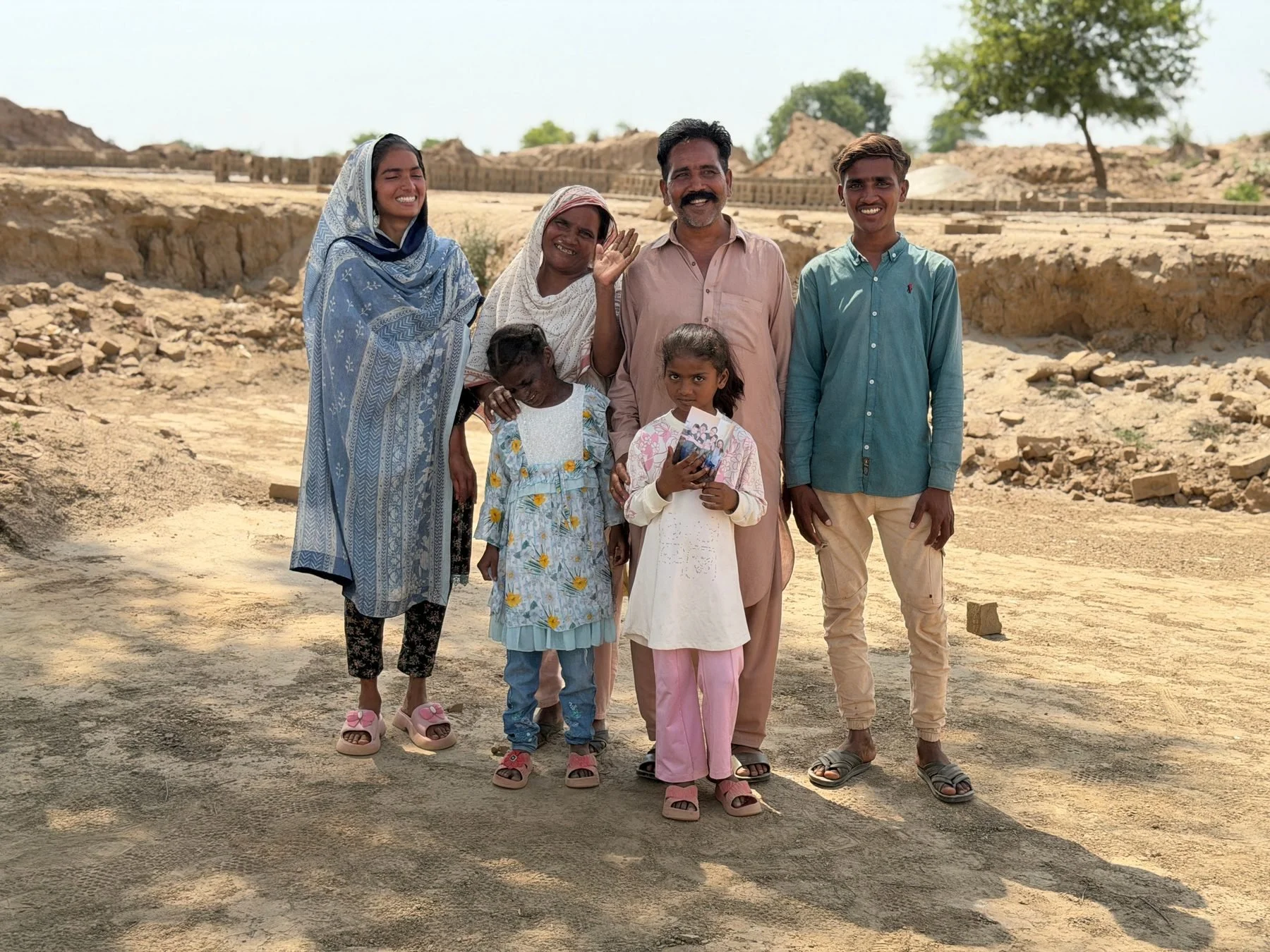
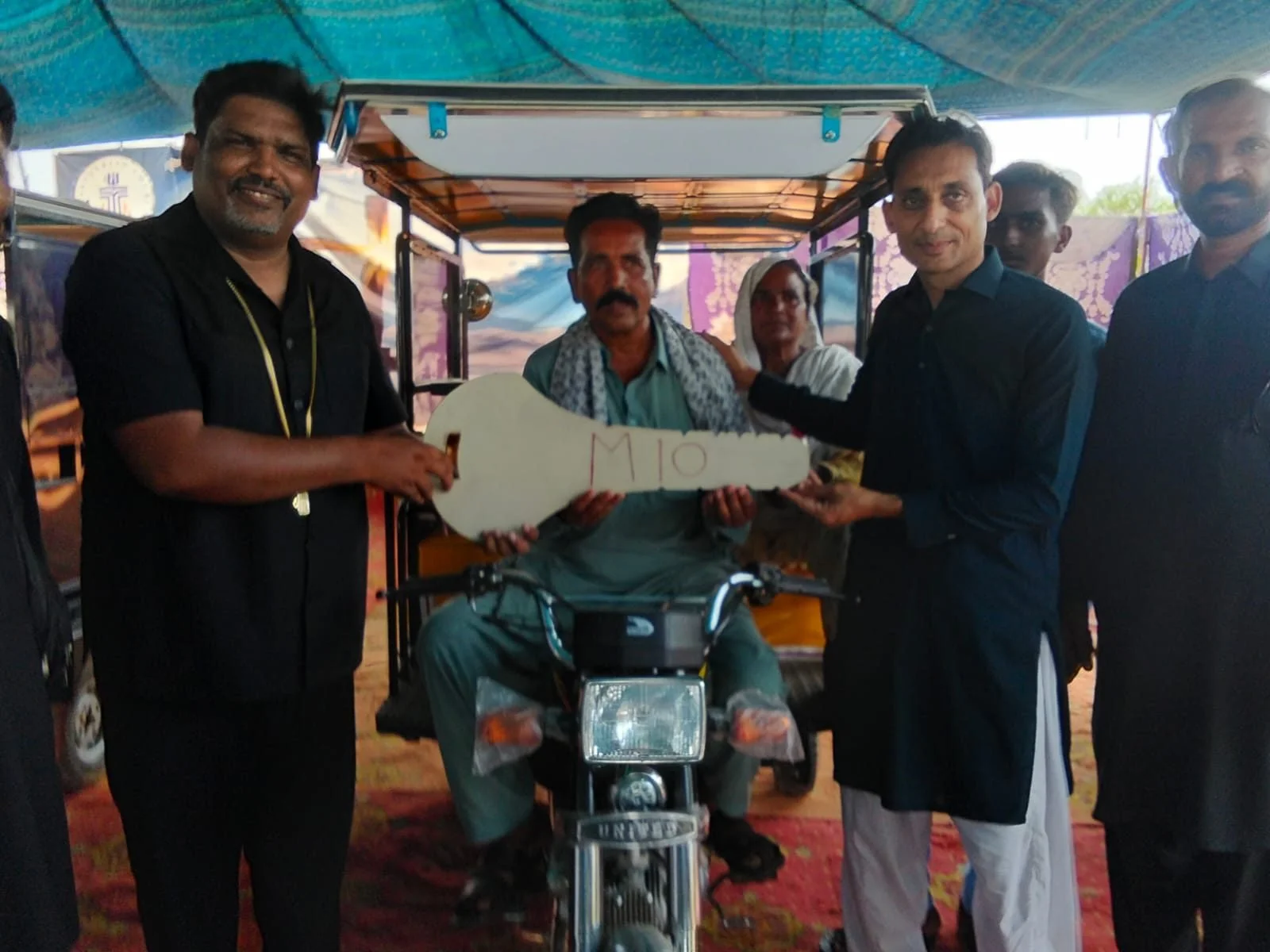
One day, two beginnings
I keep coming back to those two photographs — families I have never stood in a room with, holding a print of Laine and our kids.
On a kiln in Punjab, a wedding is often the exact loan that starts the bondage. Your wedding paid one of those loans off — not charity in the abstract, but the purchase of a specific debt for a specific household, so the children in those pictures will not inherit a balance written in someone else's ledger.
Your day was the beginning of a marriage. Theirs was the first morning in a generation when no one in the house had to make a thousand bricks before noon.
Thank you.
"He has anointed Me to preach the gospel to the poor; He has sent Me to heal the brokenhearted, to proclaim liberty to the captives."Luke 4:18, quoting Isaiah 61:1
I am grateful you let a portion of that work go toward someone else's freedom. If you want to give additionally, Matthew10 takes it from here.
Give through Matthew10