

Setting Captives Free
A portion of every wedding Grant books goes to Matthew10 International — Setting Captives Free.
When you booked me for your wedding, you were a part of something bigger than yourself. You were a part of setting a family free from slavery in Pakistan — families who have been making bricks in generational debt-slavery. Your wedding was the beginning of a new life. And so was theirs.
Part of the heartbeat of this work is to give away, and be generous with what has been given to me. Your wedding paid it forward.
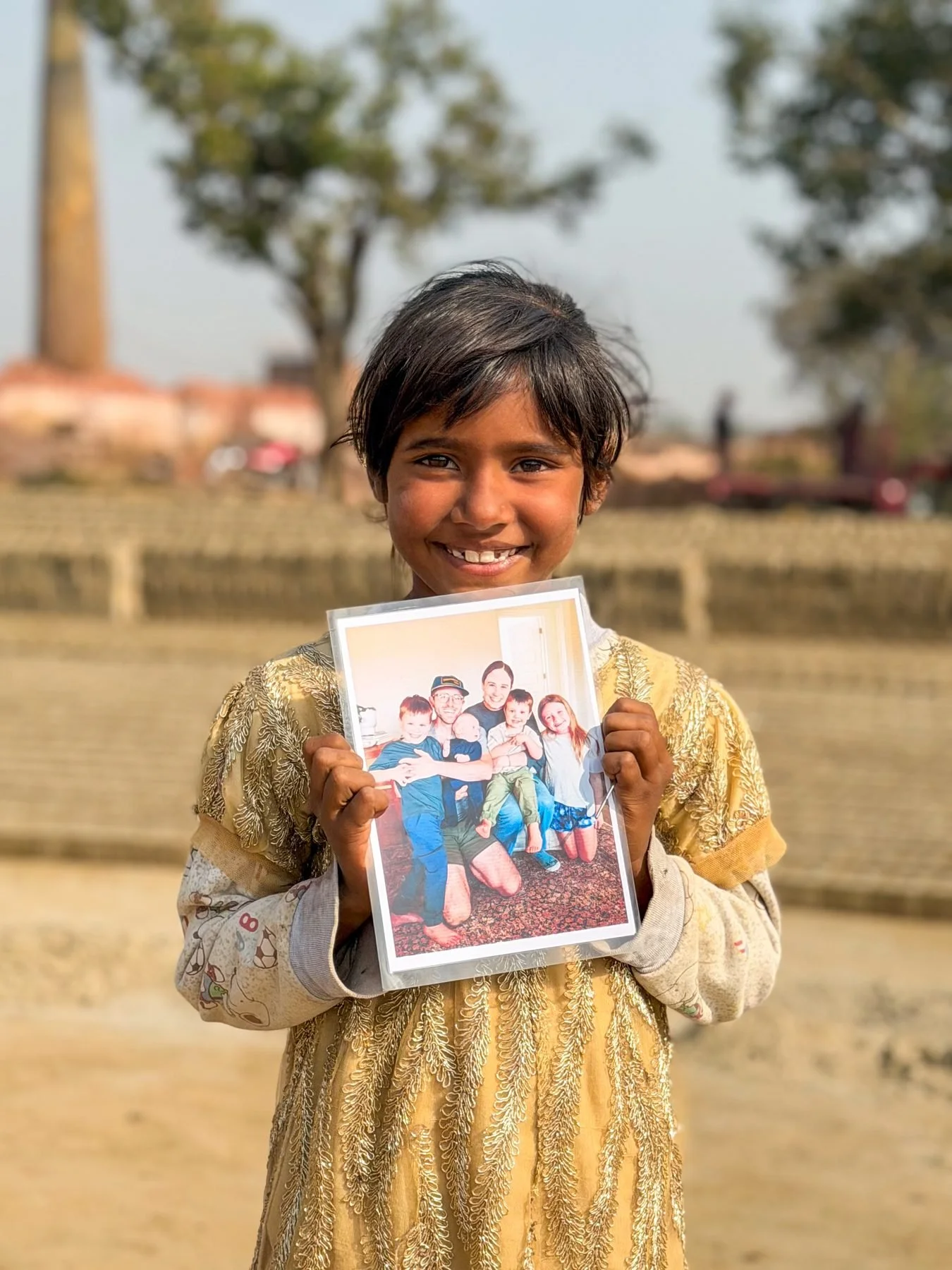
This year we have rescued two families — Yousaf and Javed. I have the photographs of both of them holding a picture of my family.
Setting Captives Free set free 286 families last year. You can give additionally through Matthew10 — Setting Captives Free.
The door into that life is almost never a contract. It is a crisis. A hospital bill. A death. A sister who needs a dowry. A wedding of their own. The kiln owner, or a middleman called a jamadar, offers an advance. In Punjabi and Urdu the word is peshgi. It sounds like help. It is an advance against future bricks. There is usually no agreement the family can read. Most workers are illiterate. The owner keeps the books.
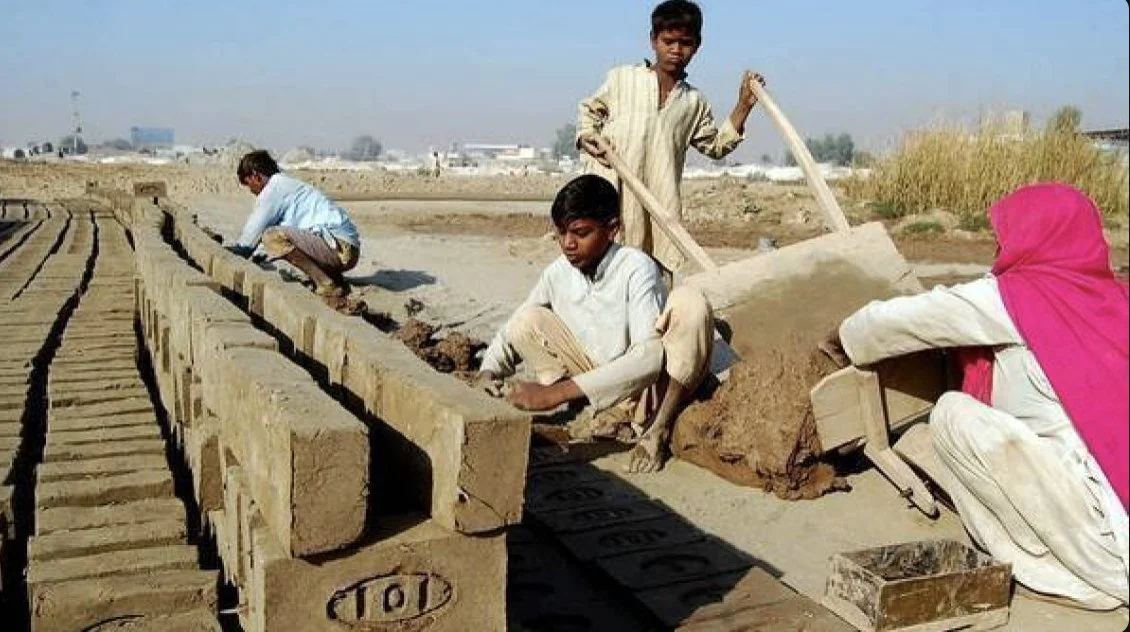
Wages are paid by the thousand bricks and set so the original loan cannot be retired. Half the day’s pay is often taken as “repayment.” What is left will not feed the household, so the family asks for another advance. Then another. One mother told a reporter that if she got sick or pregnant and missed a day, those days were added to what she owed — and that if she borrowed 500 rupees, they wrote down 1,000. The debt is not a number that goes down. It is a number the owner controls.
The debt is not a number that goes down. It is a number the owner controls.
And it does not die with the person who signed for it. Researchers who have studied Pakistan’s kilns wrote it as plainly as it can be written: debts are generally not forgiven upon death or injury. A widow assumes her husband’s balance. A son assumes his father’s. Children on the yards are not hired as employees. The advance pledges the whole pool of family labor. Housing on site looks like shelter and functions as a lock. If a family tries to leave, children have been kept as hostages. If they move to another kiln, they do not leave the debt behind. They follow it. Owners sell indebted families to one another the way inventory is sold.
Sharif Masih, a brickmaker in Faisalabad, was sold with his balance to a new owner. He was born into debt, he said, and expects to die in it, and to leave it to his children. They eat once a day. Children as young as five work beside him. A man near Islamabad once called the arrangement “a pair of invisible handcuffs.” An eighteen-year-old girl on a kiln in Gujrat put the whole system in one sentence: once you ask for a loan, you become a debtor forever. Scholars who work this ground have a colder version of the same fact: children are born into bondage, and women are married into it.
Once you ask for a loan, you become a debtor forever.
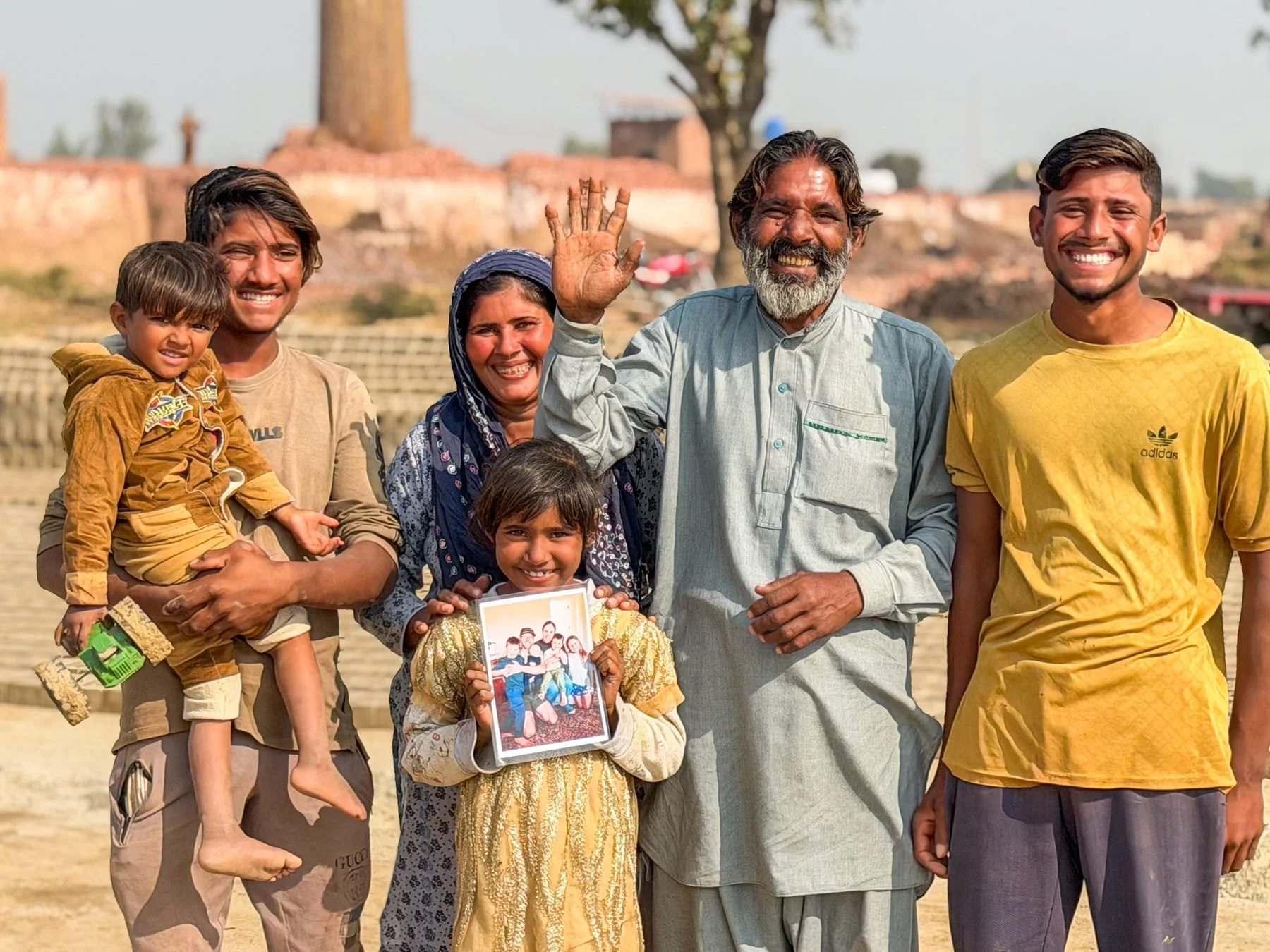
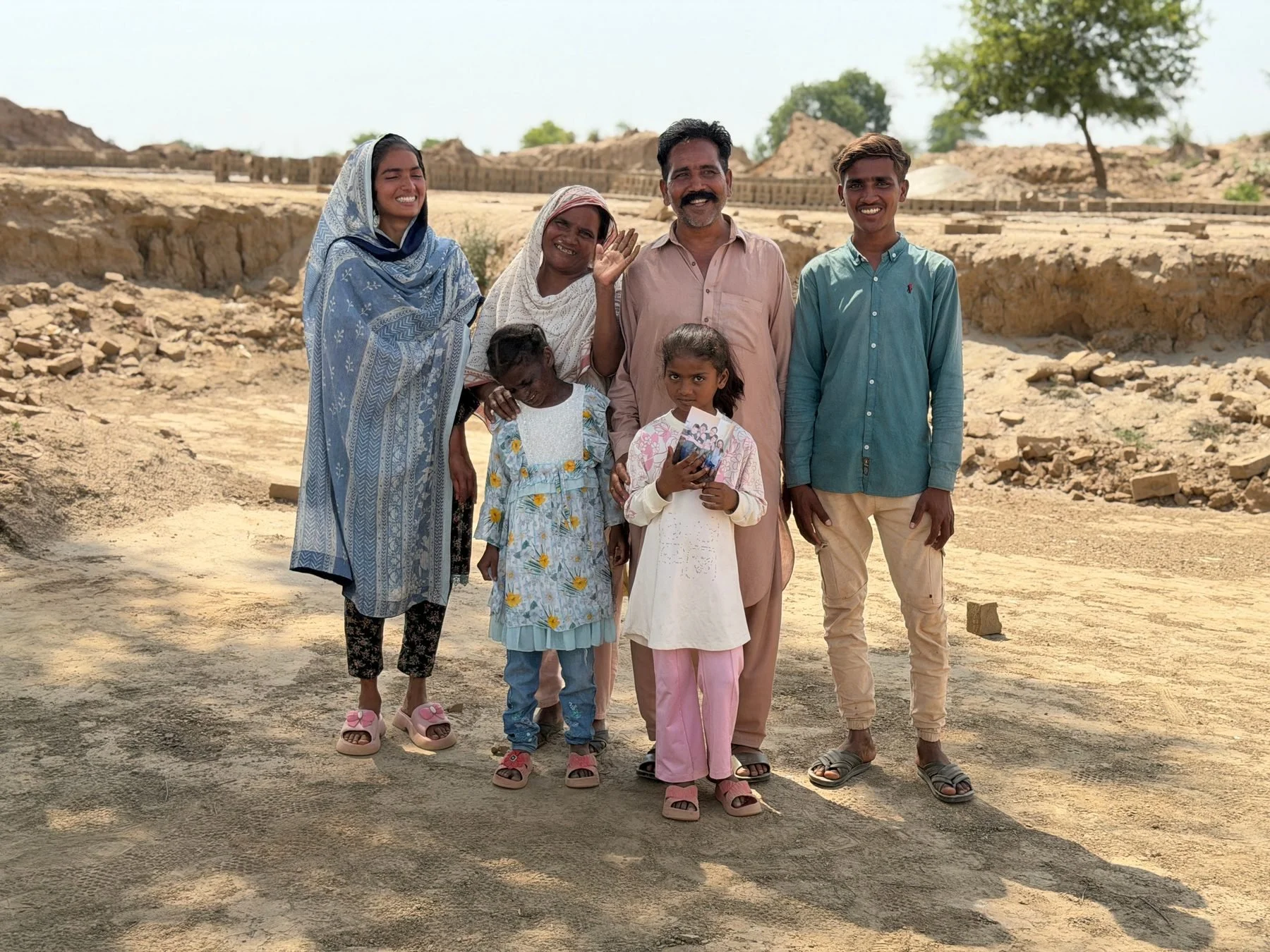
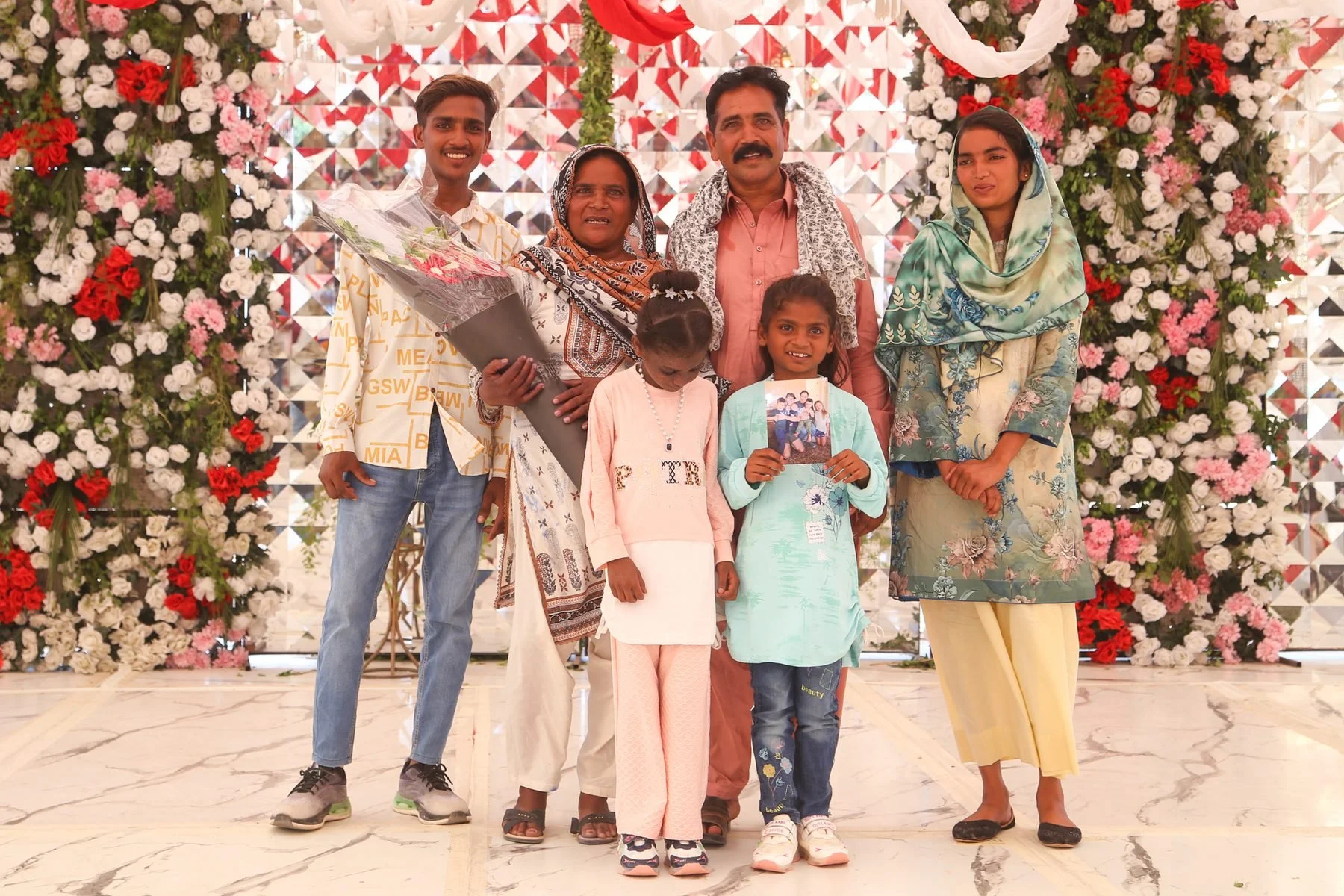
Setting Captives Free does not treat this as a raid. Local pastors go onto the yards first. Families come into churches while they are still enslaved. Then lawyers sit with the owner and buy the debt in full — a clean contract, so there is nothing left to inherit. The average balance is about a thousand dollars. The full cost to get a family out and keep them out is $3,750. That pays the debt, new clothes, a celebration they describe like a wedding feast, a water filter that lasts a decade, the first month of rent off the yard, ongoing care — and a new rickshaw.
The rickshaw is the break in the chain. On the kiln the entire family works all day for five or six dollars. With the rickshaw, one person works five or six hours and earns two to four times that. Rent can be covered in two days. Children who have never been to school start going. The monsoon no longer means another loan. Sickness no longer means another loan. Freed families have already begun setting other families free out of their own earnings. Freely you received, freely give. That is the verse the ministry is named for.
Freely you received, freely give.
Beauty from ashes
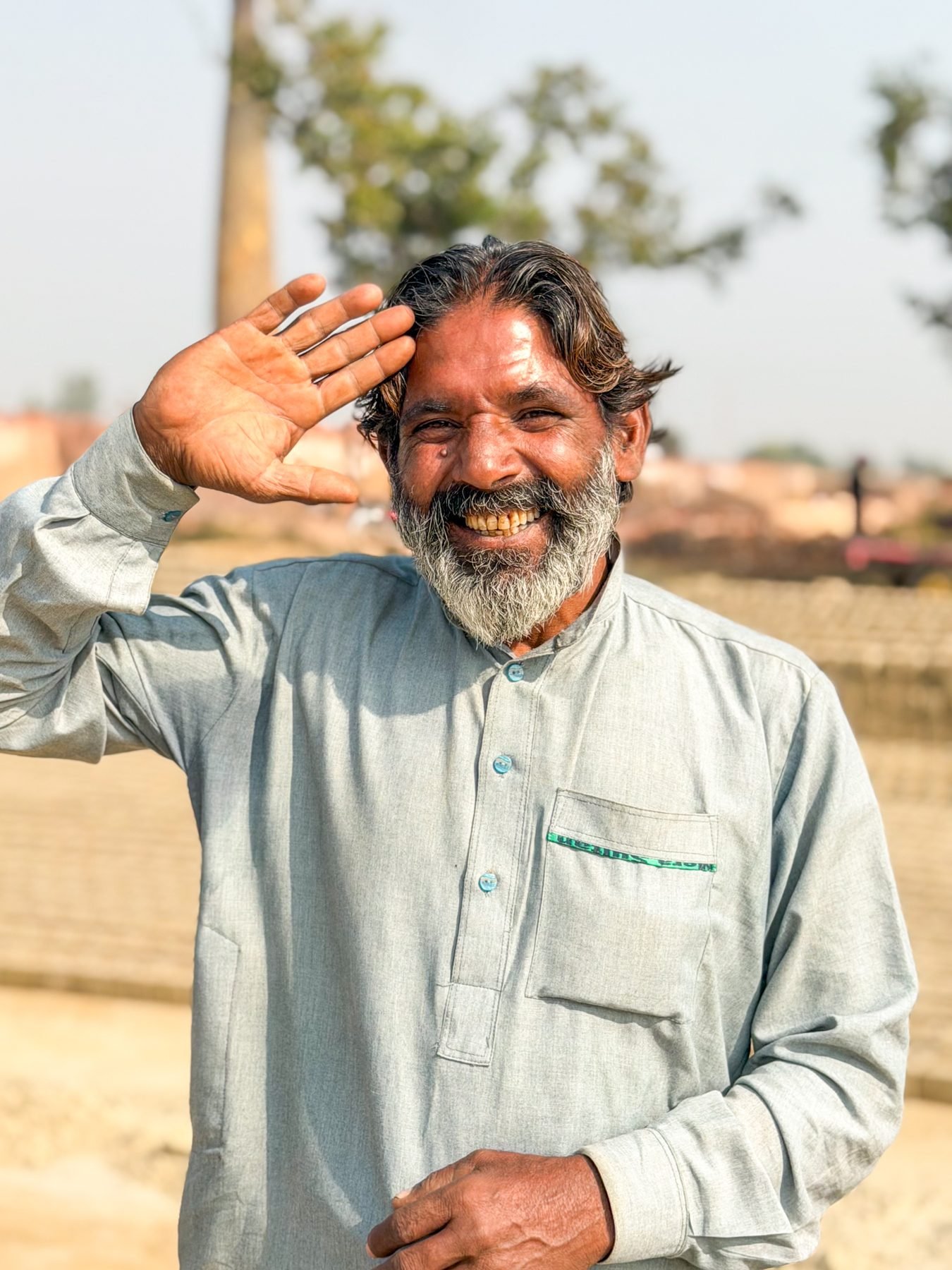
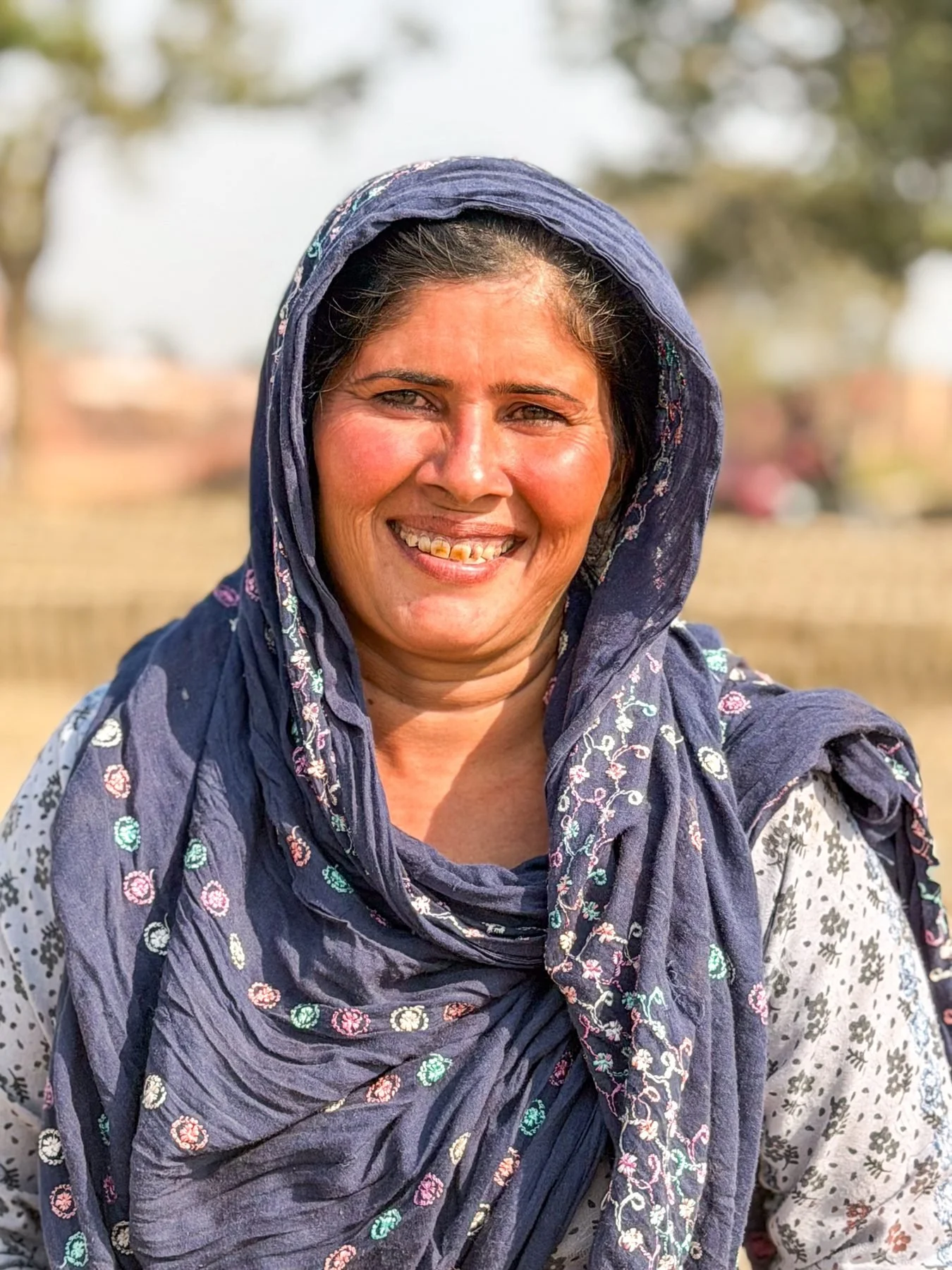
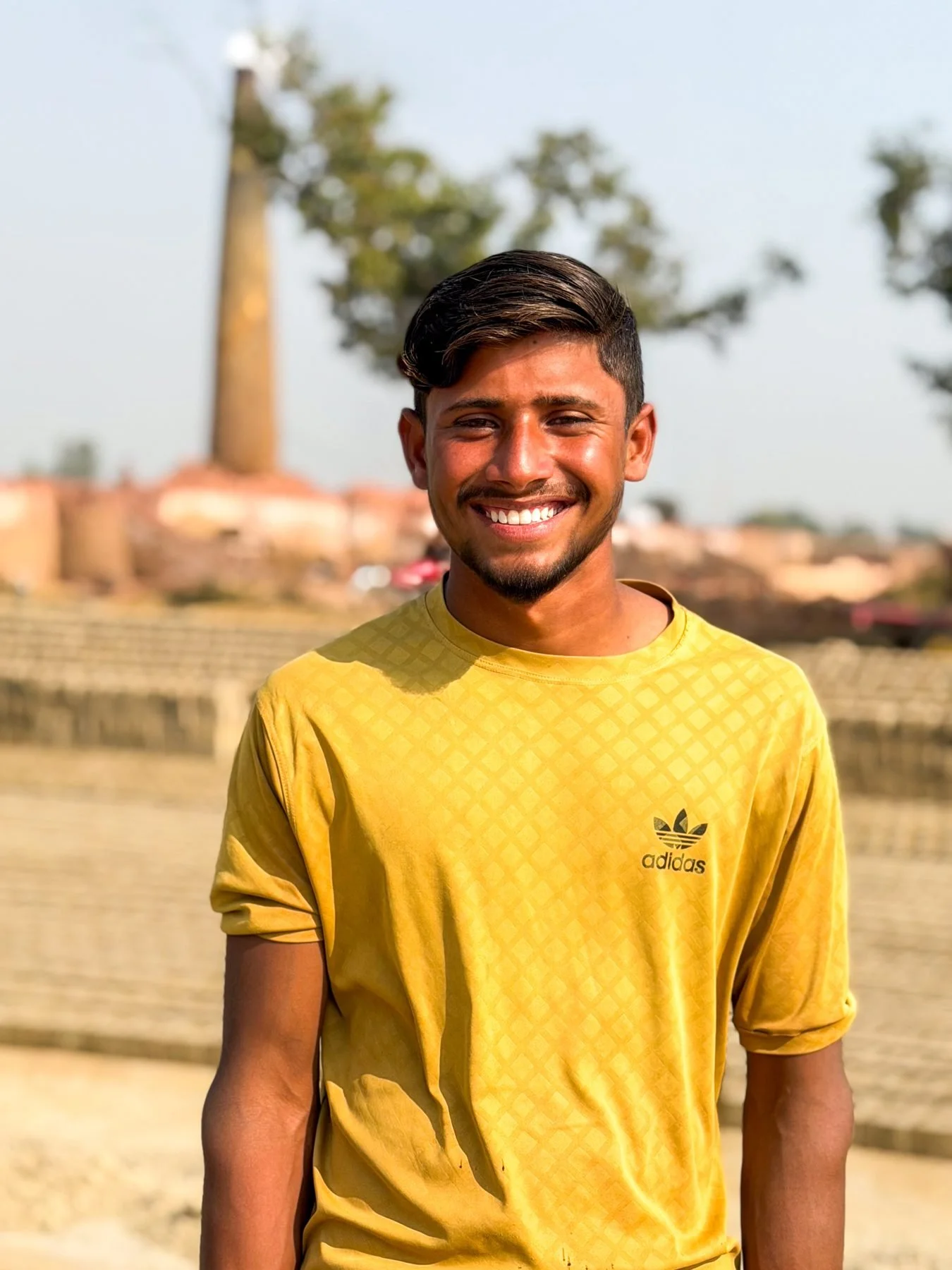
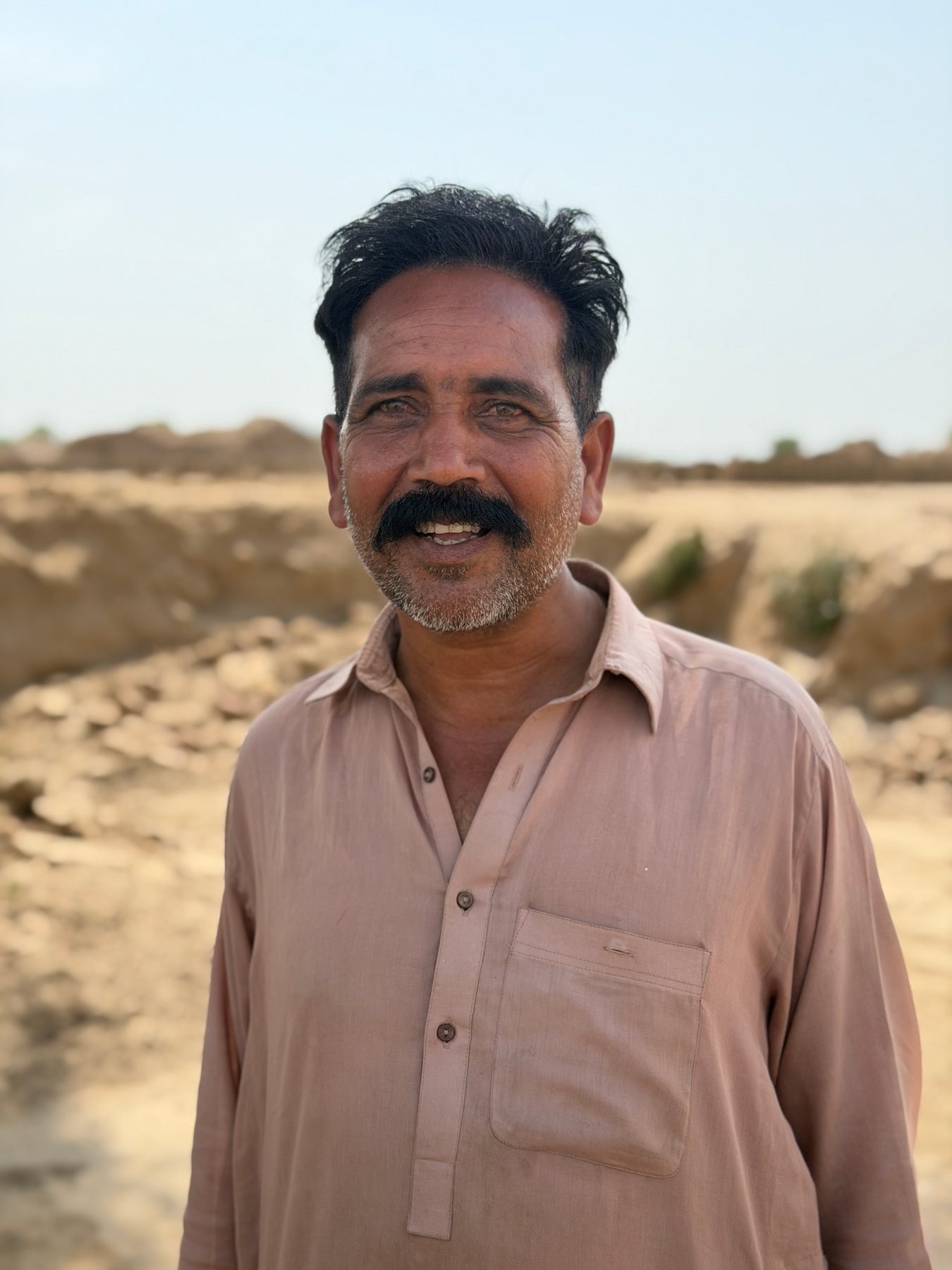
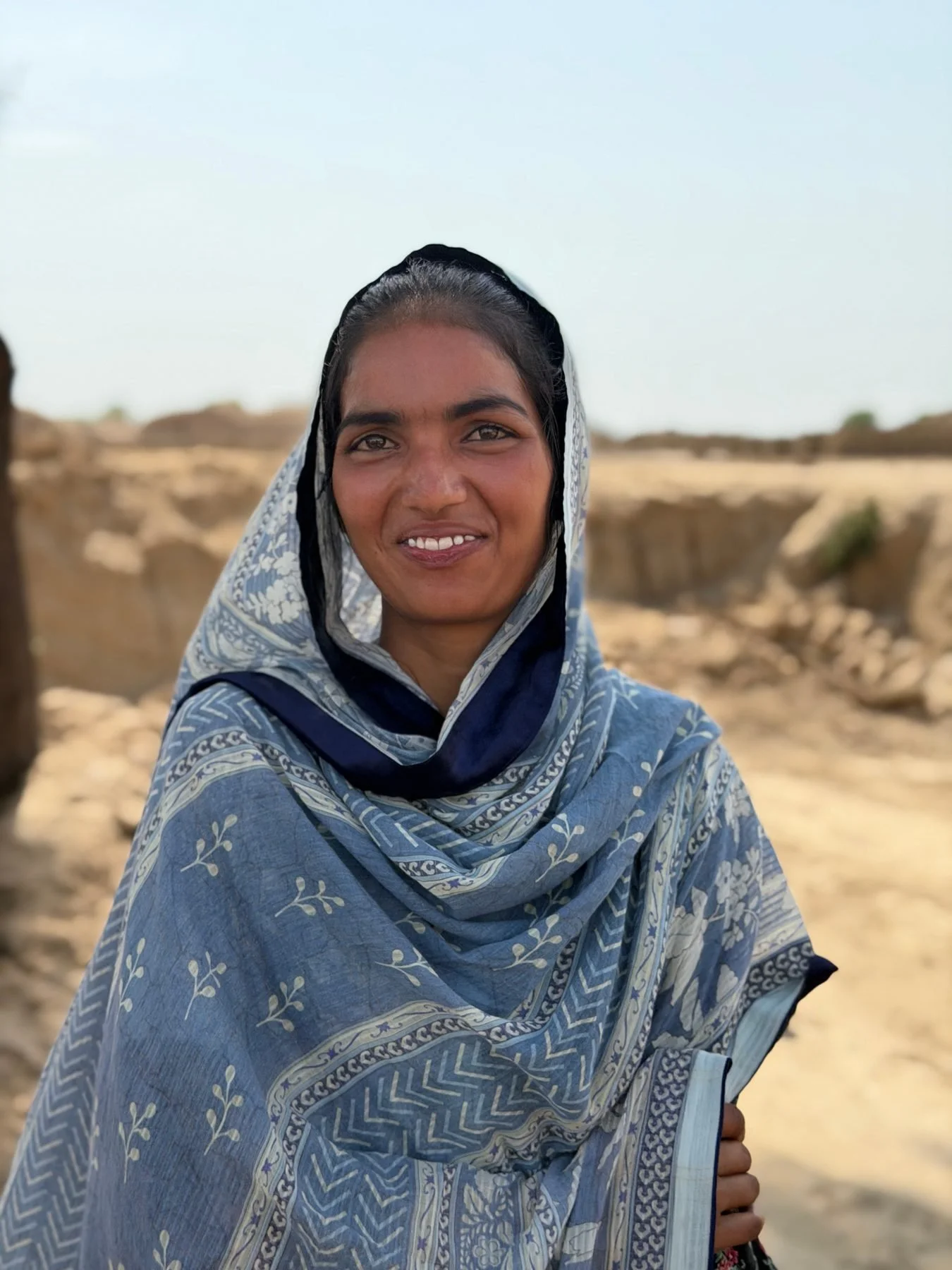
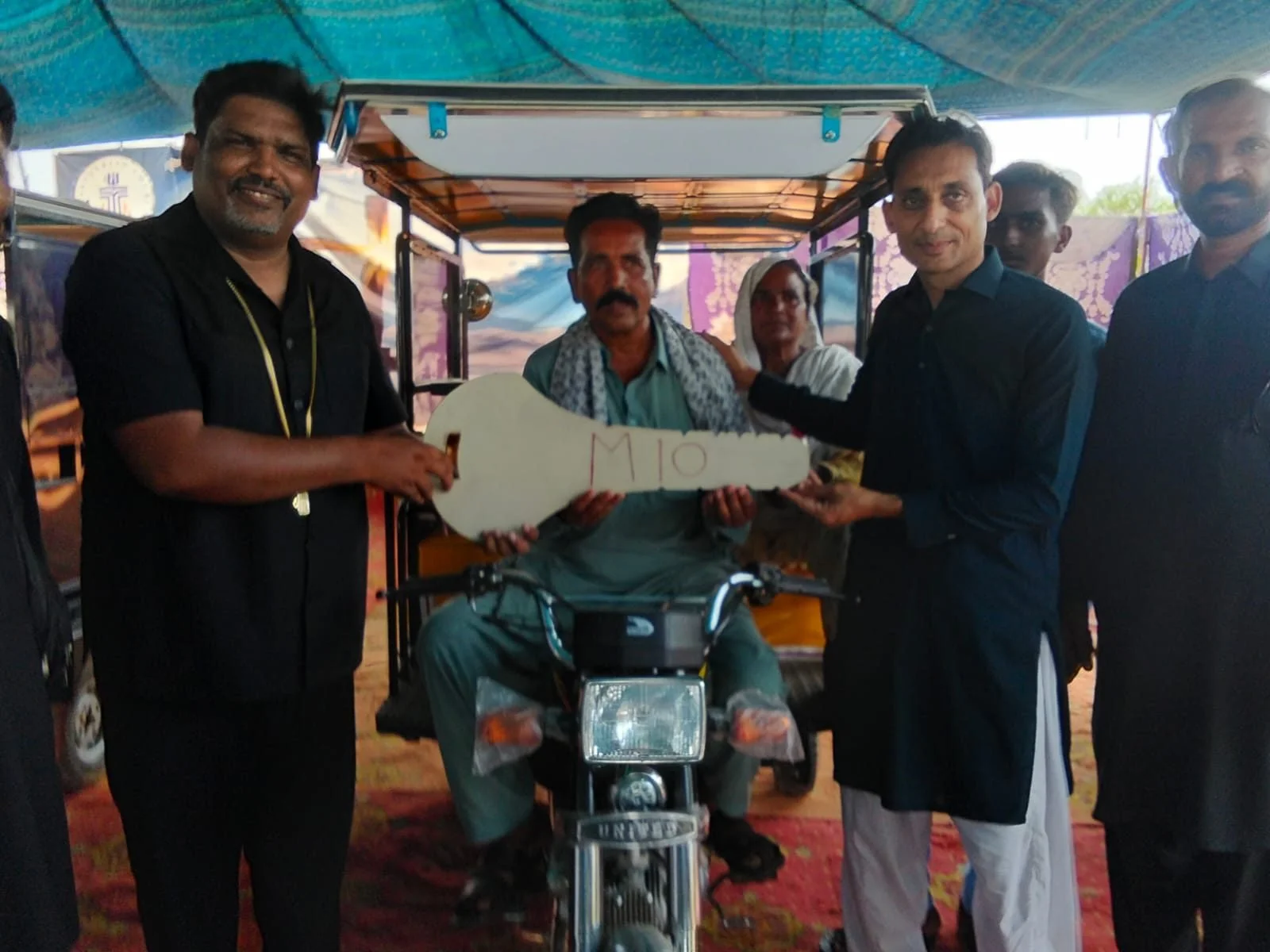
I keep coming back to those two photographs — families I have never stood in a room with, holding a print of my wife and our kids. A wedding in Texas is, among other things, a very expensive day. On a kiln in Punjab, a wedding is often the exact loan that starts the bondage: the dowry, the feast, the obligation a father cannot refuse. Your wedding paid one of those loans off. Not as charity in the abstract. As the purchase of a specific debt, for a specific household, so the children in those pictures will not inherit a balance written in someone else’s ledger.
Your day was the beginning of a marriage. Theirs was the first morning in a generation when no one in the house had to make a thousand bricks before noon. Two families this year. Two hundred eighty-six last year. A small number against millions still on the yards. Not a small number to the child who will not grow up with clay under their nails because a couple trusted us with their wedding, and we gave part of that work away.
Your wedding was the beginning of a new life. And so was theirs.
Thank you for partnering with me. When you booked your wedding, you trusted this studio with the first day of a household. You also helped start one on a kiln in Punjab. That is not a small thing.
I am grateful you let a portion of that work go toward someone else’s freedom. If you want to give additionally, Matthew10 takes it from here.
Give
additionally
Matthew10 International
Setting Captives Free
Brick kilns · Pakistan · a new community · freedom